
"US wine exports"
500 article(s) found

A brief introduction to the Origin, Development, History and Culture of Fine Coffee beans in Tian Chi Manor with moderate acidity
In many countries, coffee production will be seriously affected for political reasons. Nicaraguan coffee industry is no exception. The 1979 revolution forced coffee planters to flee to Miami. A period of indecision followed, when the government considered whether to redistribute land (including many plantations), which led to a shortage of coffee and a decline in production since the early 1970s

A brief introduction to the processing method of grinding degree and roasting degree of Tianci Manor fine coffee beans with moderate acidity
In many countries coffee production is severely affected for political reasons. The coffee industry in Nicaragua is no exception. The revolution of 1979 forced coffee growers to flee to Miami. A period of uncertainty ensued as the government considered whether to reallocate land (including many plantations), resulting in coffee shortages and declining yields from the early 1970s.

A brief introduction to the Market Price of Fine Coffee Bean varieties in Tianqi Manor with moderate Particle size
Columbus arrived here in 1502 and reached the east coast of Nicaragua. In 1522, Spanish colonists began to conquer the region. The cities of Granada and Leon were founded in 1524. From then on, Nicaragua became a Spanish colony and came under the jurisdiction of the Governor's Office of Guatemala. The city of Leon developed into a political and cultural center; Granada became a commercial and agricultural center. In the later period of colonial rule

Fragrant and delicious Limon Tree Manor in Nicaragua Fine Coffee Bean Flavor description Jane
High-quality Nicaraguan coffee, grown in the north and middle of the country. Coffee is a pillar industry in Nicaragua, producing nearly 100,000 tons of coffee beans every year. Many people who have tasted Nicaraguan coffee usually think that it is no different from Salvadoran coffee or Honduran coffee. It is full-bodied, smooth and delicate, with a slightly bitter finish, like a faint taste in a wine. In

A brief introduction to the description of the flavor, taste and aroma characteristics of fine coffee beans in Tianqi Manor
Columbus arrived here in 1502 and reached the east coast of Nicaragua. In 1522, Spanish colonists began to conquer the region. The cities of Granada and Leon were founded in 1524. From then on, Nicaragua became a Spanish colony and came under the jurisdiction of the Governor's Office of Guatemala. The city of Leon developed into a political and cultural center; Granada became a commercial and agricultural center. In the later period of colonial rule

Delight of fragrance Manor Fine coffee beans Grinding degree Roasting degree Treatment method Introduction
High quality Nicaragua coffee, grown in the north and centre of the country. Coffee is Nicaragua's pillar industry, producing nearly a hundred thousand tons of coffee beans every year. Many people who have tasted Nicaragua coffee usually think that it is no different from Salvadoran coffee or Honduran coffee. It is rich aroma, smooth and delicate, slightly bitter finish, as if the wine in the faint flavor. in

A brief introduction to the History and Culture of the Origin and Development of Fine Coffee beans in Tianqi Manor with moderate Particle size
In many countries, coffee production will be seriously affected for political reasons. Nicaraguan coffee industry is no exception. The 1979 revolution forced coffee planters to flee to Miami. A period of indecision followed, when the government considered whether to redistribute land (including many plantations), which led to a shortage of coffee and a decline in production since the early 1970s

Variety introduction of taste treatment method for flavor description of coffee beans in Anjing Manor, Nicaragua
Taste description of coffee bean producing area in Anjing Manor of Nicaragua Coffee is the main export product of Nicaragua. According to the president of the Nicaraguan Coffee Farmers' Federation, due to the poor harvest of coffee in Nicaragua's Pacific region, the country's total coffee production in 1998 may be 12% lower than that in 1997. 1997 to 1998 Coffee year, Nicaragua

A brief introduction to the market price of sweet and lovely Ethiopian boutique coffee beans
In Ethiopia, the grading and quality control system of coffee is divided into three levels: producer, regional and national. All coffee is inspected by local inspection agencies before leaving the country of origin, and then re-tested at the coffee inspection and grading centers in Addis and Diredawa to determine its quality grade. Coffee is graded before auction and sale, for all involved in production, acquisition,

A brief introduction to the Flavor, Taste and aroma characteristics of Fine Ethiopian Coffee beans
Ethiopia grows coffee in different climatic zones, so it has more than 140 farm varieties, and fresh coffee is produced all the year round. The quality of Ethiopian coffee varies according to different elevations and regional ecological environment. The Harar coffee in the southeast highland is a typical Muha coffee with a strong flavor; the coffee produced in the southwest Wollega has a rich fruity flavor; Limu coffee

A brief introduction to the Market Price of aromatic Fine Coffee Bean varieties in Ethiopia
Yega Xuefei is a small town, 700-2100 meters above sea level, synonymous with Ethiopian boutique coffee. It has been a wetland since ancient times. The ancient saying "Yirga" means to settle down and "Cheffe" means a wetland. The mode of production and flavor of coffee here are so outstanding that Ethiopian coffee farmers compete to take pride in the flavor of their coffee, making it the worst in Africa.

A brief introduction to the cultivation of aromatic Ethiopian boutique coffee beans, geographical location, climate and altitude
Although the Ethiopian Yirgacheffe coffee is petite, it is gentle and delicate and sweet. As the hometown of coffee, thousands of years of planting history and processing tradition in Ethiopia have created high-quality washed Arabica beans. Light baking has unique sweet aromas of lemon, flowers and honey, soft acidity and citrus flavors, fresh and bright on the palate. No.

Yega Xuefei Wuli processing Plant what are the customized batches of coffee beans made by Wu Zelin
Professional coffee knowledge exchange more coffee bean information please follow the coffee workshop (Wechat official account cafe_style) Waka. The Wuli processing plant is located in what can be said to be the quintessence of the generalized Yega Sherphine area, that is, the Gedeb area (if it is classified according to the producing area of ECX, it belongs to Cochelle Kochere). Gedeb is located in the southeast corner of Yega Schiffe, from the town of Yejia Sherphine.

What is Blue Coffee Bean?| What is the flavor of lychee blue cold-extracted coffee?
Professional coffee knowledge exchange More coffee bean information Please pay attention to coffee workshop (Weixin Official Accounts cafe_style) Honduras is located in the north of Central America, bordering the Caribbean Sea in the north, the Gulf of Fonseca in the Pacific Ocean in the south, bordering Nicaragua and El Salvador in the east and south, and bordering Guatemala in the west, mostly mountains and plateaus. It has a tropical climate, mild temperatures, abundant rainfall and coffee

A brief introduction to the planting situation of Ethiopian boutique coffee beans, geographical location, climate and altitude
Although the Ethiopian Yirgacheffe coffee is petite, it is gentle and delicate and sweet. As the hometown of coffee, thousands of years of planting history and processing tradition in Ethiopia have created high-quality washed Arabica beans. Light baking has unique sweet aromas of lemon, flowers and honey, soft acidity and citrus flavors, fresh and bright on the palate. No.

A brief introduction to the treatment method of grinding degree and baking degree of fine coffee beans in Tianqi Manor with moderate particle size
When tasting Nicaraguan coffee, it is best to drink cold water first, so that you can better feel its mellow taste. Drink coffee while it is hot, because the tannins in Nicaraguan coffee are easy to change during cooling, and the taste becomes sour, which will affect the flavor of the coffee. You can add the right amount of sugar, and then add cream. Enjoy a cup of high quality Niga

Fragrant and delicious Boutique Manor de Nicaragua Fine Coffee beans Grinding degree baking degree treatment method
High-quality Nicaraguan coffee, grown in the north and middle of the country. Coffee is a pillar industry in Nicaragua, producing nearly 100,000 tons of coffee beans every year. Many people who have tasted Nicaraguan coffee usually think that it is no different from Salvadoran coffee or Honduran coffee. It is full-bodied, smooth and delicate, with a slightly bitter finish, like a faint taste in a wine. In

Matagalpa producing area of Nicaraguan coffee with moderate acidity and delicious aroma
Coffee is Nicaragua's main export. According to the president of the Nicaraguan Coffee Farmers' Federation, due to the poor harvest of coffee in Nicaragua's Pacific region, the country's total coffee production in 1998 may be 12% lower than that in 1997. In the coffee year of 1997 and 1998, Nicaragua harvested 1.422 million bags of coffee (each bag of 46kg), which has been producing 1% of coffee in the past 14 years.

A brief introduction to the history and culture of the origin and development of boutique coffee beans in the lemon tree manor of Nicaragua
According to the president of the Nicaraguan Coffee Farmers' Federation, due to the poor harvest of coffee in Nicaragua's Pacific region, the country's total coffee production in 1998 may be 12% lower than that in 1997. In the 1997-1998 coffee year, Nicaragua harvested a total of 1.422 million bags (each 46kg) of coffee, the best since coffee production has been hovering around 1 million bags for 14 years.
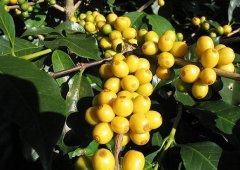
A brief introduction to the Origin and Development of Flower-scented Apricot Coffee beans in Ethiopia
Ethiopia grows coffee in different climatic zones, so it has more than 140 farm varieties, and fresh coffee is produced all the year round. The quality of Ethiopian coffee varies according to different elevations and regional ecological environment. The Harar coffee in the southeast highland is a typical Muha coffee with a strong flavor; the coffee produced in the southwest Wollega has a rich fruity flavor; Limu coffee